Published Works
A selection of published articles, interviews, and policy briefings.
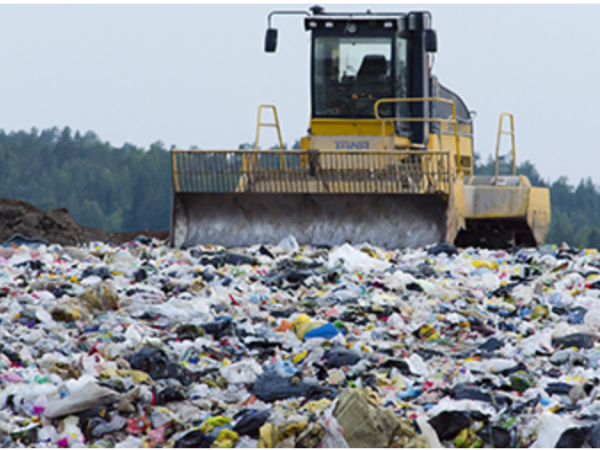
Extended Producer Responsibility Policies Offer a Solution to the Waste Crisis
With no end to the waste crisis in sight, more wide-ranging and innovative solutions are needed. While no one “silver bullet” can solve the waste crisis, EPR can be part of the solution to hold manufacturers more responsible and address the environmental impacts of their products throughout their whole lifecycles.
Read more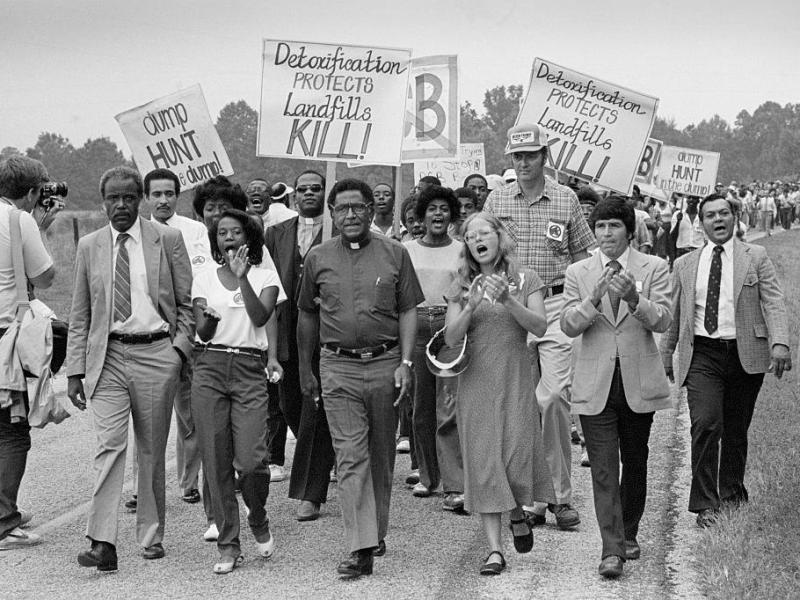
Q&A: Addressing the Environmental Justice Implications of Waste
Waste, and how it’s managed, has a large impact on communities, particularly communities of color. To get a better understanding of how to equitably address waste, EESI sat down with Denise Patel, U.S. Program Director at the Global Alliance for Incinerator Alternatives (GAIA).
Read more
Congressional Climate Camp: Federal Policies for Climate Mitigation and Adaptation Win-Wins
This briefing looked at a suite of climate solutions that simultaneously reduce greenhouse gas emissions and increase resilience to climate impacts. Briefing speakers discussed how these solutions also advance environmental justice, job creation, and conservation.
Read more
Rethinking Reduce, Reuse, and Recycling Policies and Programs to Address Waste
This briefing highlights local, state, and federal policies and programs as well as new technologies that will make you rethink waste management, who is responsible for waste, and whether waste is worthless. Speakers from cities, states, and the private sector discuss their programs and policies that are helping them succeed to reduce and reuse a…
Read more
Climate Adaptation and Resilience: The Road to COP26
This briefing highlights the complementary global efforts to advance climate adaptation and resilience in the lead-up to COP26. Speakers discussed the key roles of financing, implementation, disaster preparedness, and the need for systemic action in building resilience.
Read more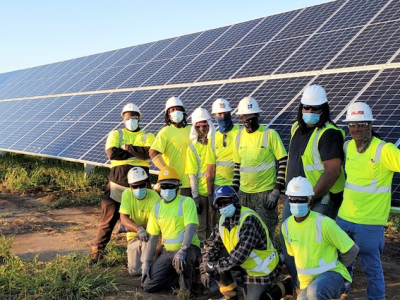
Building a Diverse, Equitable, and Renewable Energy Workforce
Building a diverse renewable energy workforce requires addressing systemic inequalities experienced by Black, Indigenous, and communities of color. Speakers discussed how the renewable energy industry can become more inclusive and equitable for professionals of color from entry to executive level.
Read more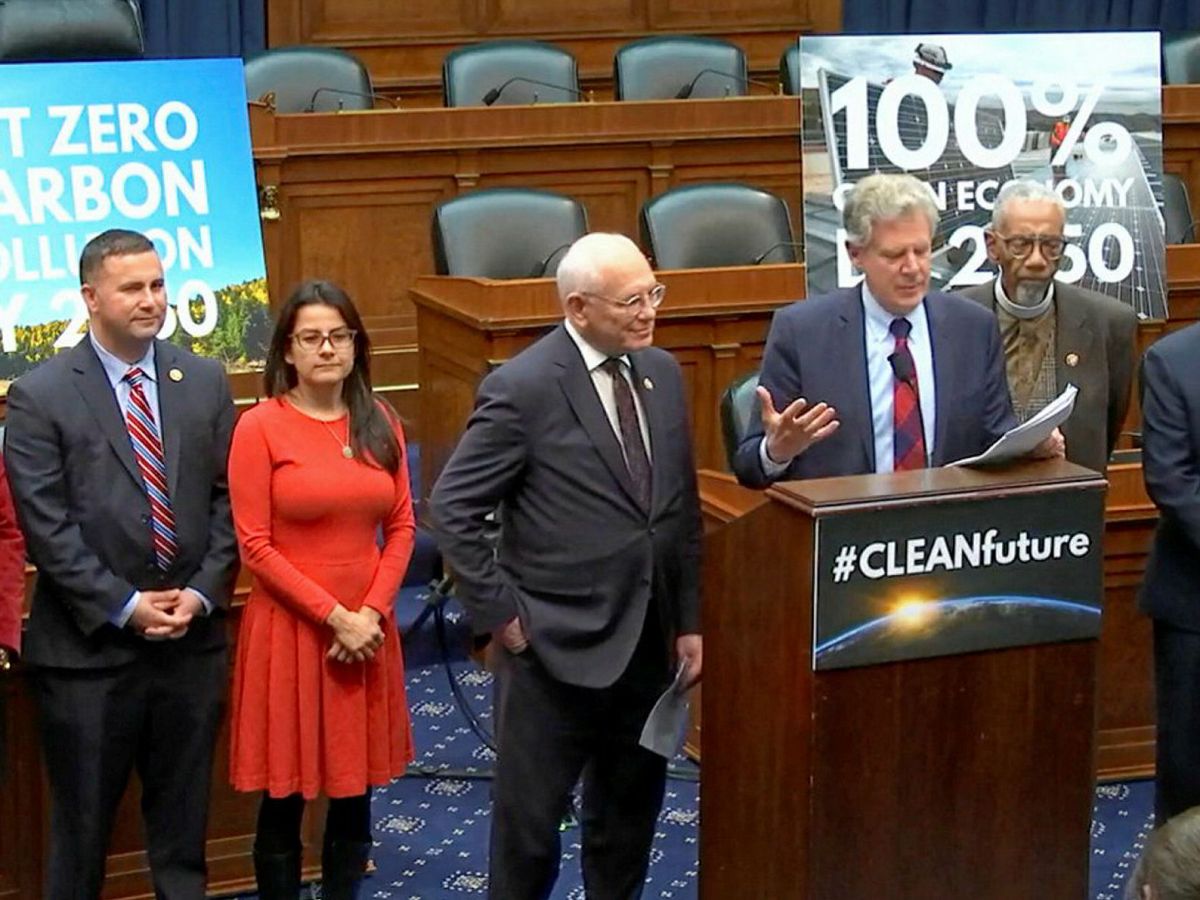
House Energy Committee Explores Industrial Climate Policies in CLEAN Future Act
Members of Congress and witnesses outlined key steps the federal government can take to bolster industrial decarbonization, invest in clean manufacturing infrastructure that would promote American manufacturing competitiveness and create good-paying union jobs, and support workers and communities impacted by the transition to a clean energy economy.
Read more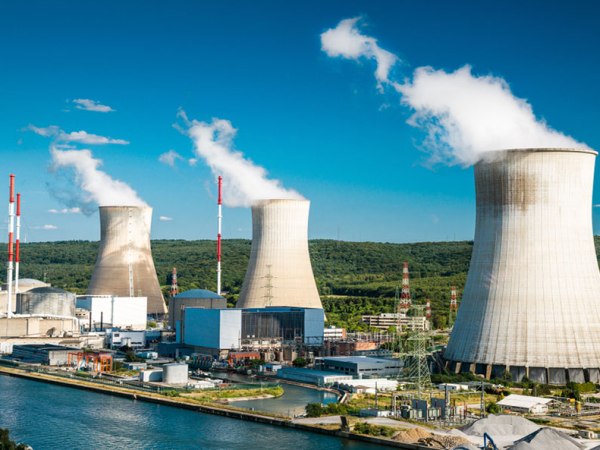
Towards an Evidence-Based Nuclear Energy Policy
To help inform major decisions on nuclear energy policy facing Congress, presenters offered practical recommendations to help make pending U.S. policy and regulatory decisions about nuclear energy more evidence-based, and better aligned with science and environmental justice.
Read more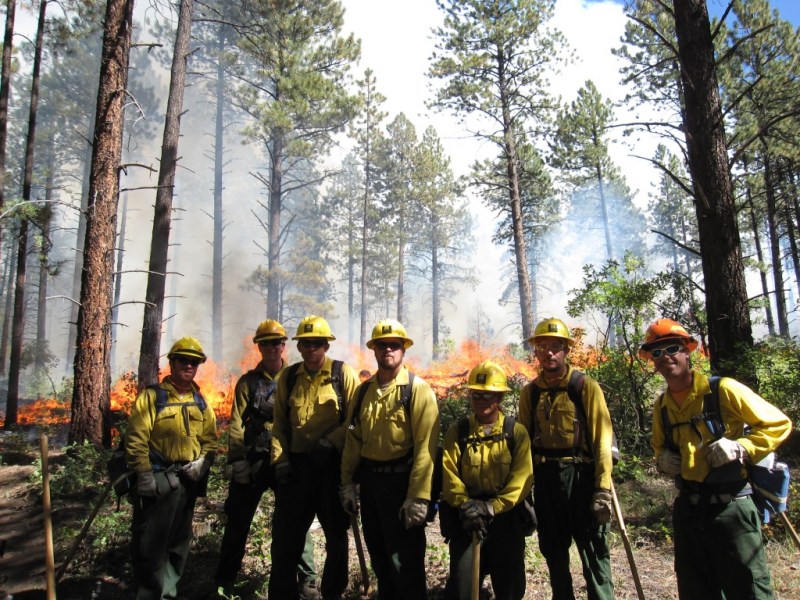
Federal Programs Support Diverse Environmental Workforce Opportunities for Veterans
Veterans transitioning out of service bring a suite of valuable skills to the environmental field. Numerous federal programs offer opportunities in land management, agriculture, and conservation, helping to transition veterans to civilian careers while addressing the need for skilled workers in the natural resource field.
Read more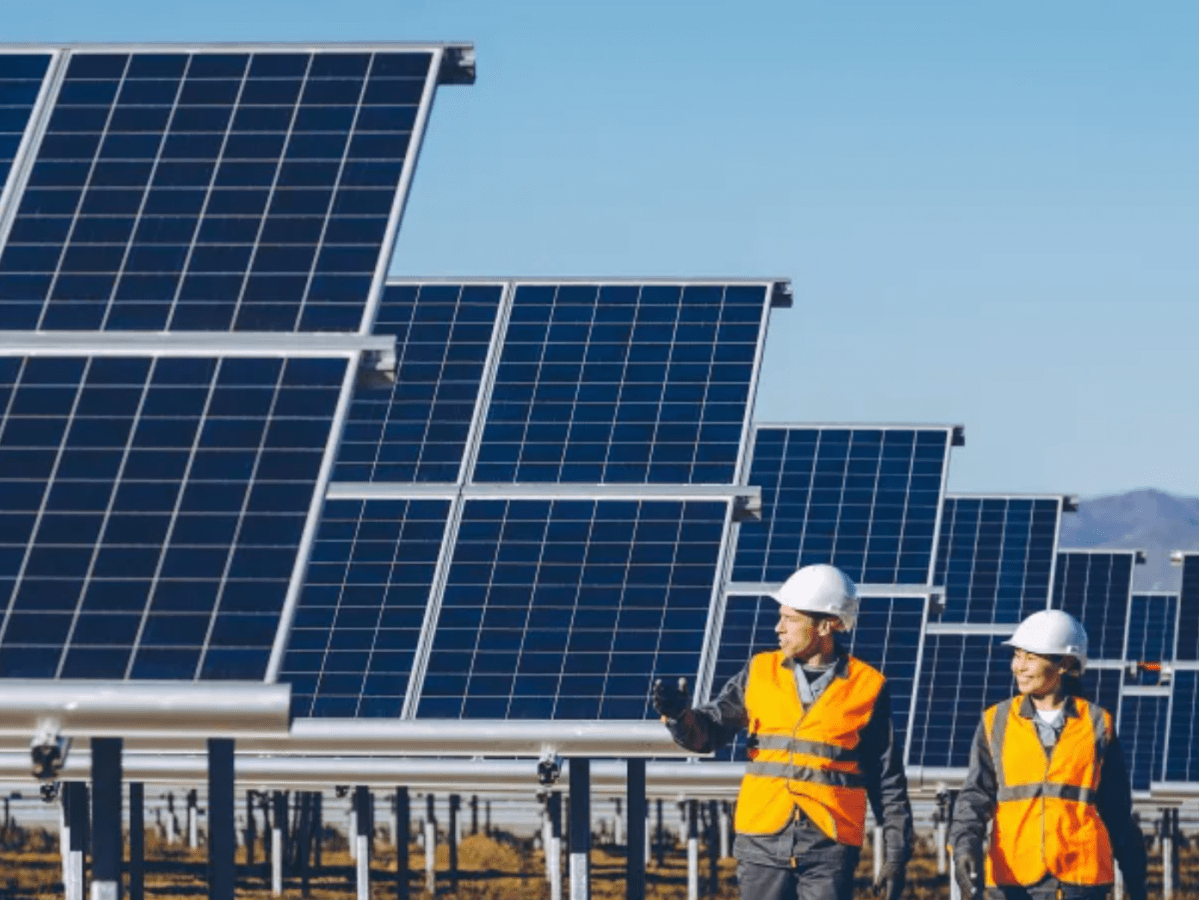
Coal Community Investment Bill Seeks to Drive a Just Transition to Clean Energy
Nationwide decarbonization is essential to meet emission reduction goals, but communities with coal-dependent economies are already suffering from the energy and economic transition. Diversified workforce development opportunities span areas including renewable energy and efficiency, fiber optic and broadband, entrepreneurship, and environmental restoration.
Read more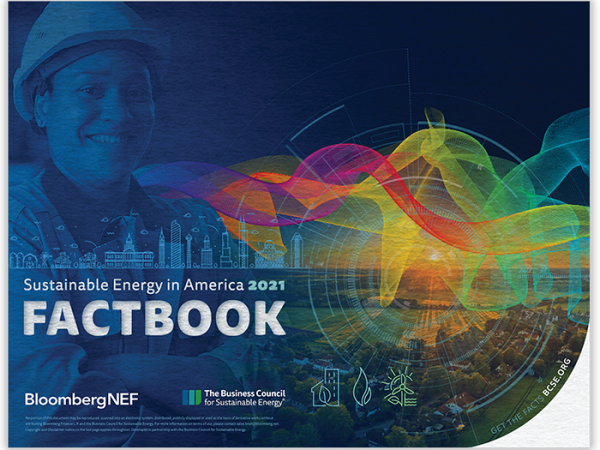
2021 Sustainable Energy in America Factbook
In this briefing, presenters discussed the impacts of COVID-19 on the U.S. energy sector, with an in-depth look at the energy efficiency, natural gas, and renewable energy sectors, as well as emerging areas such as digitalization, micro-grids, offshore wind, hydrogen, and renewable natural gas.
Read more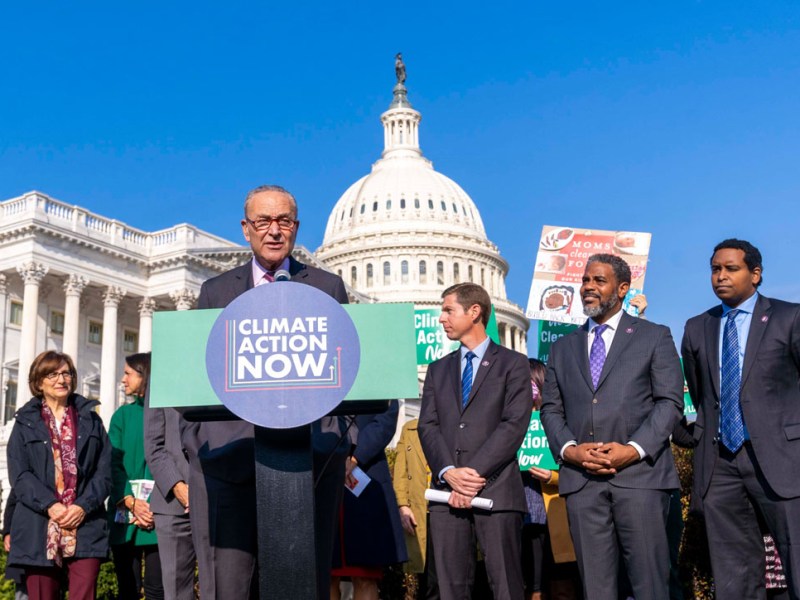
117th Congress Kickstarts Discussions to Spur Federal Climate Action
President Biden’s reentry into the Paris Agreement on his first day in office reignited debate on Capitol Hill about America’s role in leading the global clean energy transition. The new Congress kickstarted discussions to spur federal climate action.
Read more
Congressional Climate Camp: Federal Policies for High Emitting Sectors
In this briefing, presenters discussed the sectors with the highest carbon emissions, and highlighted policy mechanisms to reduce emissions in each sector—power generation, industry, buildings, transportation, and agriculture. Presenters highlighted how federal policymakers address these challenges through coordinated action, thereby maximizing impact across sectors.
Read moreCongressional Climate Camp: Budget, Appropriations, and Stimulus
In this briefing, presenters highlighted key areas and opportunities for achieving near-term and long-term carbon reductions through policy. Presenters outlined what to expect in the upcoming months as the new administration and the 117th Congress work to address the ongoing impacts of the COVID-19 pandemic.
Read more CELINE YANG